How April Fools Campaigns and Cinematic Content Are Reshaping Brand Marketing in 2026
B3 ByteSized | Episode 9
There’s a pattern emerging in 2026 that’s easy to dismiss as noise and that’s exactly why most brands are missing it.
Whether it’s a gym chain launching a protein vape on April 1st or a beauty brand dropping a true crime mockumentary on Amazon Prime, the brands leading in brand marketing strategy right now share one thing in common: they’re leading with the bit.
Not the product. Not the campaign. The bit.
And it’s working.
What Is a Brand “Bit” and Why Is It Replacing Traditional Campaigns?
A bit, in the traditional sense, is a structured comedic premise. But in 2026, the brand “bit” is something broader: it’s any bold, conceptual, entertainment-first move that prioritizes audience recognition over direct selling.
It can live for one day (an April Fools marketing campaign) or span multiple seasons (a cinematic content franchise). What makes it a “bit” isn’t the format. It’s the intent: lead with the idea, trust the audience, and let the strategy follow.
Brands are moving in this direction because modern audiences — especially Gen Z and Millennials — don’t just want to be sold to. They want to be in on it. Traditional campaign formats are losing ground to content that entertains first and converts second. The brands building equity in 2026 are the ones that understand the bit isn’t a distraction from strategy. It is the strategy.
How Top Brands Used April Fools 2026 as a Brand Marketing Lab
On the surface, April 1st looks like chaos day for brands. But when you look closer, some of the smartest brand marketing work of 2026 happened on April Fools Day. The freedom of the day lets brands take creative risks they wouldn’t normally greenlight — and the brands paying attention are using it as a live intelligence test.
The strongest April Fools marketing campaigns of 2026 weren’t random gags. They were data-driven brand strategy in disguise. They tapped into real audience behaviors and real tensions — doom scrolling fatigue, wellness obsession, social media burnout — and turned the absurdity up just enough to earn attention without breaking trust.
IKEA x Chupa Chups introduced the Meatball Lollipop — a category crossover that was absurd on the surface and deeply on-brand underneath. Built on the one product everyone already associates with IKEA.
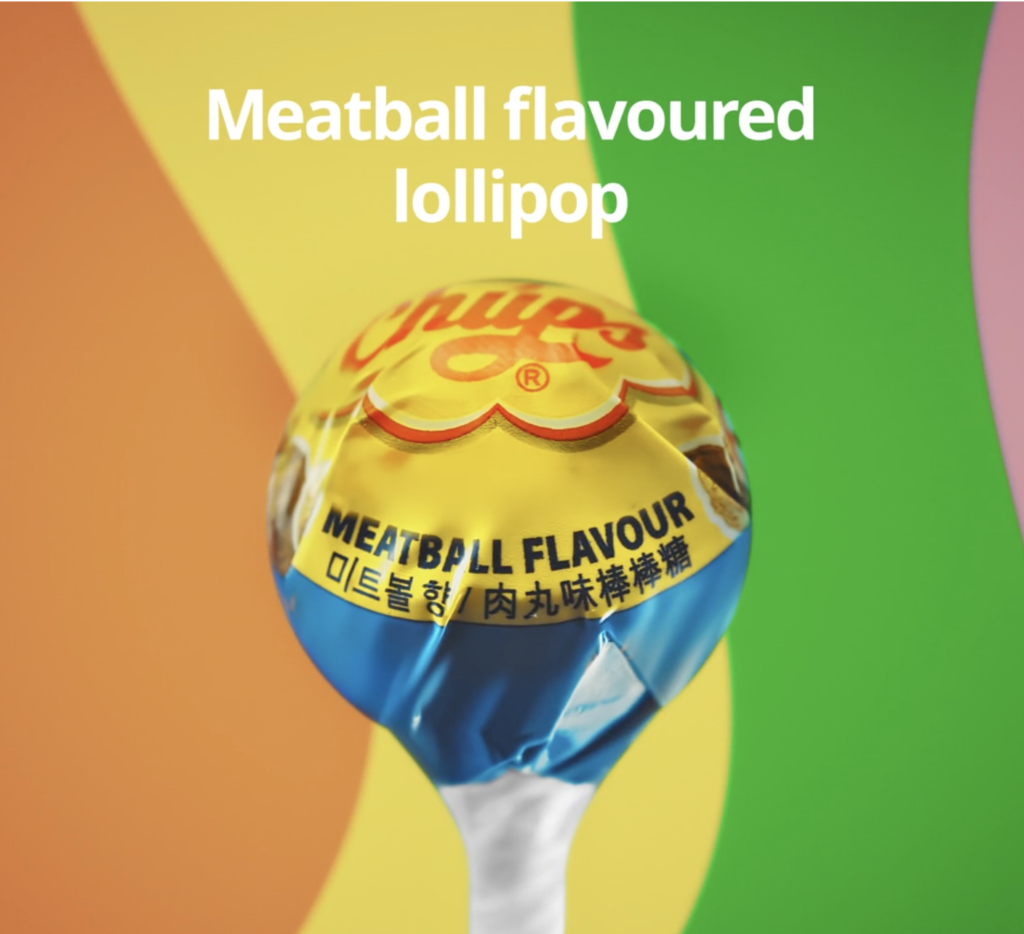
Picture from Ikea.com
Crunch Fitness launched a “crunch vape” promising 35 grams of whey protein “in a few satisfying drags.” Not a real product — but a bit that played directly on the wellness-meets-vaping cultural tension their audience already understood.

Picture from crunch.com
Heinz introduced Matcha Mayo, calling it “a matcha made in heaven.” Built on a real consumer obsession, with packaging clean enough to be credible and shareable enough to travel well beyond April 1st.
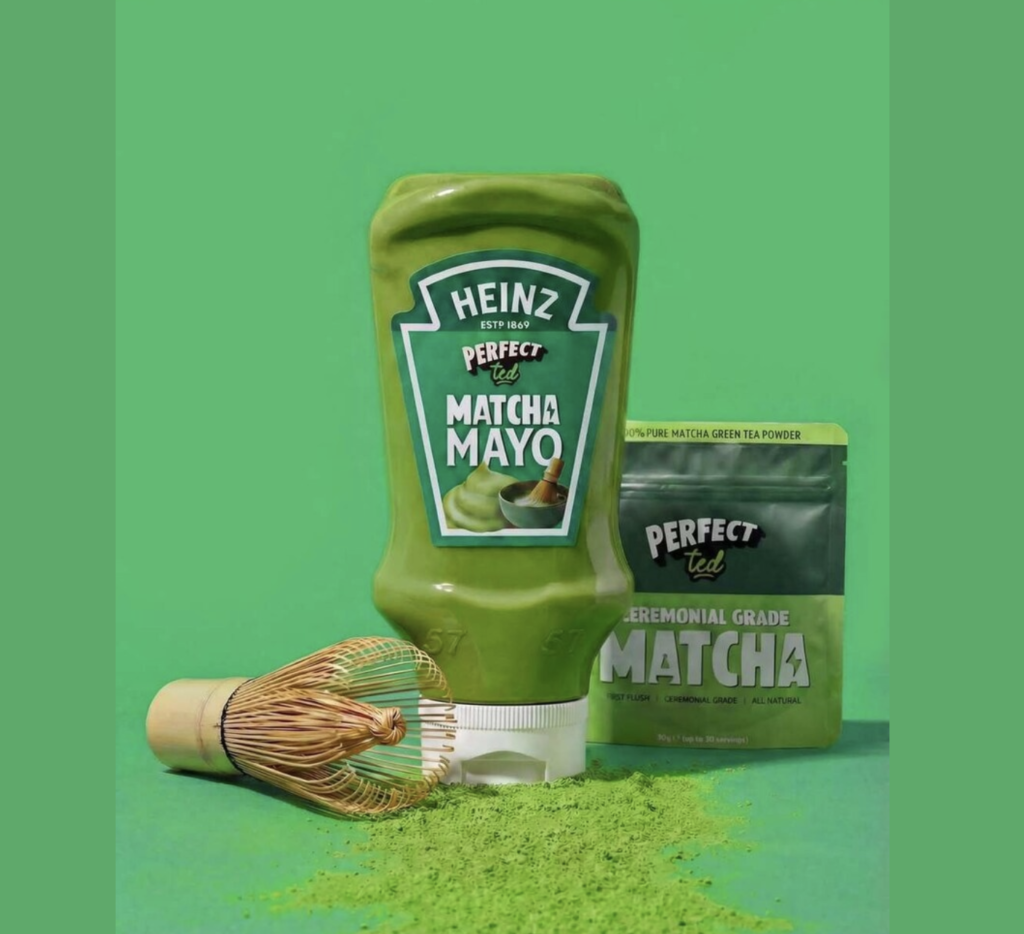
Picture from trendhunter.com
What the Best April Fools Marketing Campaigns Have in Common
When you strip away the absurdity, the most effective April Fools brand campaigns of 2026 share five elements — and they’re not specific to the holiday. They’re a blueprint for any brand willing to lead with a bit.
1. Brand Alignment — The idea felt native to the brand’s DNA. You couldn’t slap 20 other logos on it.
2. Audience Insight — Built on a real behavior, pain point, or inside joke. Doom scrolling. Bathroom shame. Protein obsession. The audience already understood the punchline.
3. Creative Risk-Taking — April Fools gave brands permission to go bolder than a standard campaign would allow. The best ones used that permission.
4. Cultural Awareness — A willingness to poke fun at themselves or their category — and the self-awareness to know where the line is.
5. Utility or Value — In 2026, the joke increasingly includes a real product, a real offer, or a real impact. The bit earns its keep.
Here's a simple framework for treating April Fools as a live brand strategy test: before April 1st, ask what truth about your audience or category are you finally brave enough to make a joke about? If you don't have a real truth, don't ship it. During the campaign, watch beyond the likes — are people saying "this is so us" or are they confused? Afterward, steal from yourself. What elements of the prank — tone, concept, visual style, or the fake product itself — could quietly show up in a serious campaign later?
The smartest brands aren’t leaving April Fools marketing in the novelty box. They’re using it as a content strategy lab.
Why Top Brands Are Building Cinematic Content Franchises in 2026
If April Fools is the one-day bit, what we’re seeing from brands like Elf Beauty and Marriott is the long-game version — and it represents a fundamental shift in how brand content strategy is being built in 2026.
Elf Beauty recently dropped Vanity Vandals, the second chapter in their Cosmetic Criminal series — a full true crime mockumentary featuring Niecy Nash, available on Amazon Prime and YouTube. Built around real beauty struggles, it’s described as “a 10-minute true crime inspired mockumentary that draws on real consumer behavior to turn bathroom chaos into a cultural case file.”
This isn’t an ad. It’s a brand content franchise.
Marriott has its Two Bellmen film universe. Gushers turned millennial nostalgia into a Halloween horror short. Across categories, brands are quietly building seasons, characters, and worlds — shifting from one-off campaigns toward entertainment-first brand storytelling that audiences can return to over time.
The logic mirrors the April Fools bit: these brands know their audience at a psychographic level. Elf didn’t choose true crime randomly. True crime audiences skew heavily female — which maps directly to their core customer. That’s not a creative accident. That’s audience intelligence driving content format decisions.
Can Small Brands Use Cinematic Content Strategy Without a Big Budget?
Yes! The barrier is lower than most brands think.
The key insight is that cinematic brand content doesn’t require studio-level production. It requires a clear genre, a recurring concept, and the consistency to show up. The goal isn’t to mimic Hollywood. It’s to build something repeatable with a sharp point of view that your specific audience recognizes as theirs.
Platforms like YouTube, Instagram, and TikTok have created distribution infrastructure that makes long-form and serialized brand content viable at any budget level. A well-conceived micro-series can generate the same kind of brand familiarity as a big-budget production — if the concept is strong and the audience insight is real.
The brands that will win in this space — at any budget — are the ones that pick one genre, commit to it, and treat every piece of content as a chapter rather than a one-off.
What This Means for Brand Marketing Strategy in 2026
Whether it lasts one day or runs for three seasons, the bit is now a legitimate brand marketing strategy. The brands winning in 2026 understand that audiences don’t just want to be sold to — they want to be in on it. They want the inside joke. They want the world.
April Fools gave brands a one-day permission slip to think that way. The smarter ones realized the permission slip doesn’t expire.
The question for every brand — big or small — isn’t whether to lead with a bit. It’s whether you know your audience well enough to make it land.
From the Episode
“It seems like a lot of the future is a lot less campaigns and more like seasons, characters, worlds that audiences can actually return to versus just that one-off commercial about your brand.” — Barika Phillips-Bell, Co-Founder, B3 Media Solutions
“Horror is becoming a medium where people are able to tell very specific stories. Brands are following the lead of what we’re already seeing in the film and TV world — which is not a bad thing if this is the direction we’re going.” — Taylor Smith, Social Media Manager & Junior Analyst, B3 Media Solutions
“The budget can be zero to a million and it doesn’t matter. Get into those strategies and see what works because it might be something that really impacts your brand.” — Sarah Boose, Senior Digital Analytics Manager, B3 Media Solutions
Watch episode 9 of B3 ByteSized here.
Frequently Asked Questions
- What makes an April Fools marketing campaign effective? The most effective April Fools marketing campaigns are built on real audience insight — not random jokes. They share five elements: brand alignment, audience insight, creative risk-taking, cultural awareness, and utility or value. If the campaign couldn’t be traced back to a genuine truth about the brand’s audience, it won’t land.
- What were the best April Fools marketing campaigns of 2026? Some of the strongest April Fools brand campaigns of 2026 included IKEA x Chupa Chups (Meatball Lollipop), Crunch Fitness (protein vape), Heinz (Matcha Mayo), Olipop x Good Wipes (prebiotic soda x flushable wipes collab), and Yahoo’s Scroll Stopper thumb accessory. Each worked because it was rooted in a real cultural tension the audience already understood.
- What is cinematic brand advertising? Cinematic brand advertising refers to brands creating long-form, narrative-driven content — films, mockumentaries, serialized series — that functions more like entertainment than traditional advertising. Examples include Elf Beauty’s Vanity Vandals true crime mockumentary and Marriott’s Two Bellmen film universe. The goal is audience engagement and long-term brand equity rather than direct response.
- Does long-form brand content actually drive conversions? Most long-form brand content operates at the upper to mid funnel — building awareness, favorability, and brand recall rather than driving direct purchases. The impact is cumulative: audiences who engage with a brand’s content over time are more likely to choose that brand when the purchase moment arrives. It’s brand familiarity over direct response.